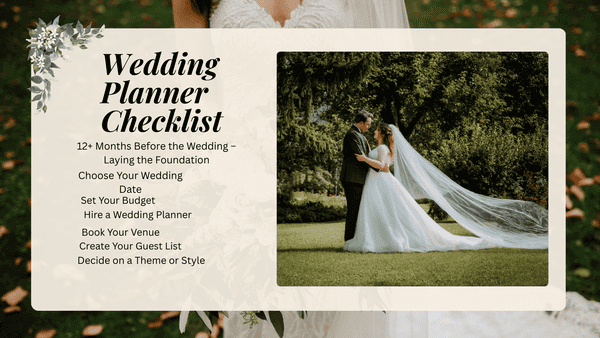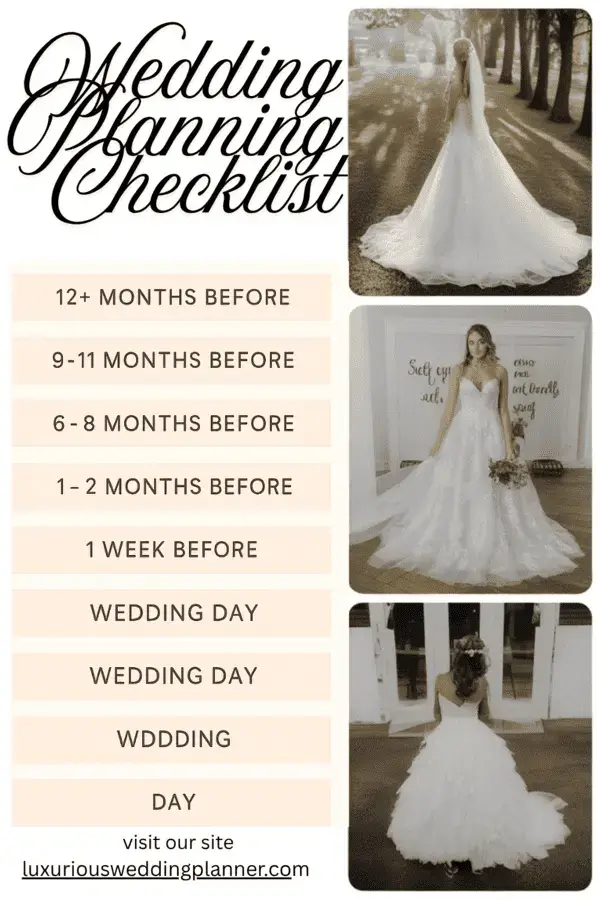
Decide Wedding Date & Budget: Calendar + Money
Pick a meaningful date and set a realistic budget
Planning a wedding is one of the most exciting yet challenging journeys a couple embarks on. Among the first and most crucial steps in the wedding planning process are choosing the wedding date and setting a realistic wedding budget. These two decisions lay the foundation for everything else—from booking the wedding venue to finalizing the guest list and hiring vendors.
Why the Wedding Date Matters
Your wedding date is more than just a day on the calendar—it’s a reflection of your story. Some couples choose a date that holds sentimental value, such as the anniversary of their first date or engagement. Others may opt for a season that suits their wedding theme, like a spring garden wedding or a cozy winter celebration.
When deciding on your wedding date, consider the following:
- Venue availability: Popular wedding venues book up quickly, especially during peak seasons. Flexibility with your date can open up more options.
- Guest convenience: Holidays and long weekends may be ideal for travel, but they can also be more expensive.
- Budget impact: Off-season dates often come with discounts on venues and services, helping you stay within your wedding budget.
Setting a Realistic Wedding Budget
Creating a wedding budget is essential to avoid financial stress and ensure you can enjoy your big day without regrets. Start by having an honest conversation with your partner and any family members contributing financially. Determine the total amount you’re comfortable spending and break it down into categories.
Key Budget Categories:
- Venue and catering – Often the largest expense. Research wedding venues that offer packages including food and drinks.
- Photography and videography – Capturing memories is priceless, but prices vary widely.
- Attire – Wedding dresses, suits, accessories, and alterations.
- Decorations and flowers – From centerpieces to bouquets, these add personality to your event.
- Entertainment – DJs, live bands, or other performers.
- Stationery – Invitations, save-the-dates, and signage.
- Miscellaneous – Transportation, gifts, and emergency funds.
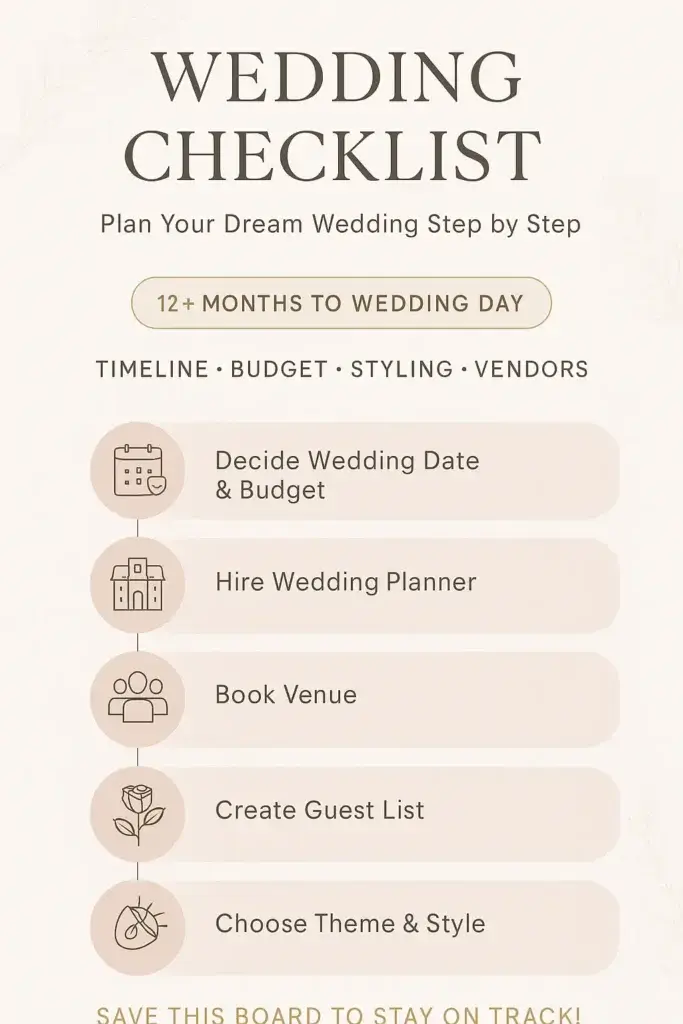
Use a wedding checklist to track expenses and stay organized throughout the planning process
1.
Tips for Balancing Calendar and Money
1. Prioritize What Matters Most
Every couple has different priorities. Some may dream of a luxurious venue, while others value intimate moments with close family. Identify your top three must-haves and allocate your budget accordingly.
2. Use a Wedding Planner or Planning Tools
Hiring a wedding planner can save time and money. Planners often have insider knowledge and vendor connections that can lead to discounts. If hiring a planner isn’t in your budget, use online wedding planning tools and budget calculators to stay on track.
3. Consider Weekday or Off-Season Weddings
Choosing a weekday or off-season date can significantly reduce costs. Many vendors offer lower rates during these times, and venues are more likely to have availability.
4. DIY Where Possible
From invitations to centerpieces, DIY projects can add a personal touch and cut costs. Just be sure to factor in time and effort—DIY isn’t always cheaper if it causes stress.
5. Track Every Expense
Use a spreadsheet or budgeting app to monitor spending. Include deposits, payment schedules, and due dates to avoid surprises.
Common Mistakes to Avoid
- Not setting a budget early: Waiting too long can lead to overspending.
- Ignoring hidden costs: Taxes, gratuities, and overtime fees can add up.
- Overcommitting to a date: Being too rigid with your date may limit venue and vendor options.
- Skipping the wedding checklist: A detailed checklist keeps you organized and ensures nothing is forgotten.
Final Thoughts
Choosing your wedding date and setting a budget are the first steps in turning your dream wedding into reality. These decisions influence every aspect of your planning journey. By picking a meaningful date and creating a realistic budget, you’ll set the stage for a celebration that reflects your love story—without unnecessary stress.
Whether you’re just starting your wedding planning or refining the details, remember: the best weddings are those filled with love, laughter, and thoughtful preparation. Use your calendar wisely, manage your money smartly, and enjoy every moment of the journey.